

ESF Renaissance College Kindergarten is an IB World School offering the International Baccalaureate’s Primary Years Programme (PYP)
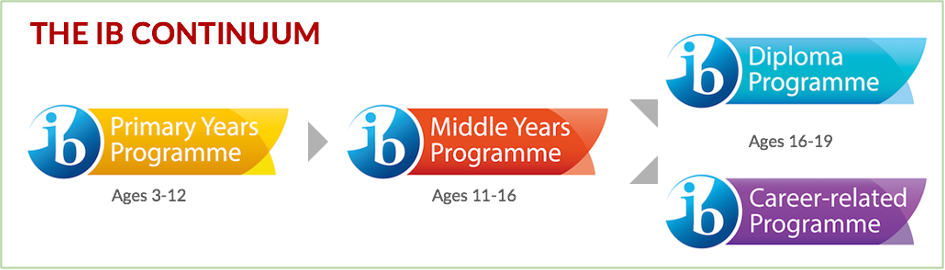
What is the Primary Years Programme?
The PYP aims to provide a holistic and inquiry-based educational experience that fosters the development of knowledgeable, caring, and internationally-minded individuals. It encourages students to become lifelong learners who are active contributors to their communities and is based on recognising a child’s natural curiosity, creativity, and ability to reflect. The PYP is transdisciplinary, meaning students learn across subject areas while inquiring into big ideas.
How is the curriculum framework organised?
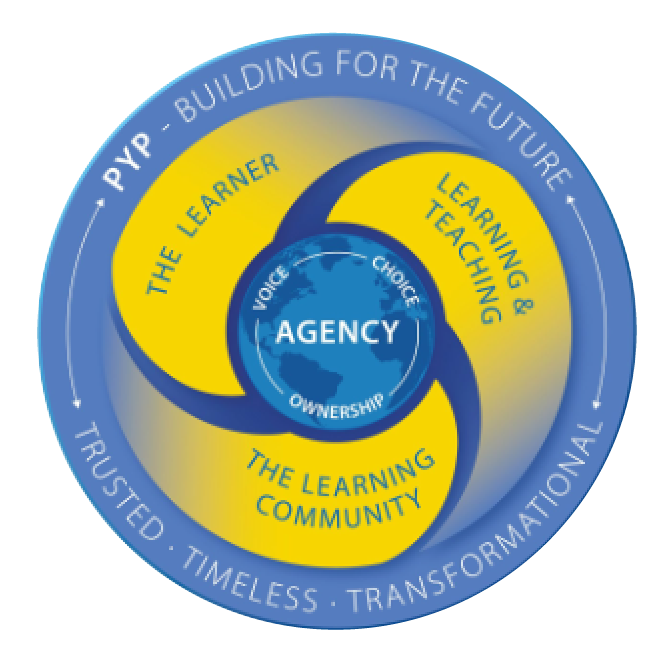 |
The PYP framework consists of three pillars with agency as the core of the curriculum. Student agency means students actively participate in their education and the school community.
The three pillars are;
|
Assessment
Assessment is an important part of planning for children’s ongoing learning. Children’s knowledge, skills and understanding in both subject areas such as language and maths, and within the units of inquiry will be assessed and reported on. Teachers use a broad range of assessment strategies before, during and at the end of a learning cycle to assess how well the children have understood main ideas and how well their skills have developed in each area. Information about learning is gathered through observations of play and conversations with students.
Learning and Teaching
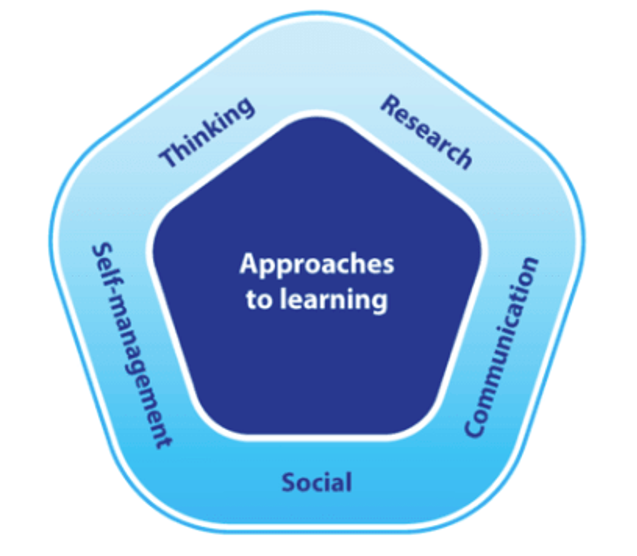 |
Our inquiry-based curriculum uses the IB PYP's six transdisciplinary themes, from which units of inquiry are developed. Within each unit of inquiry, students explore significant concepts and knowledge while developing learner skills that can support them in their learning across the subject disciplines. The skills element of the curriculum is known as the approaches to learning (ATLs). |
The Learning Community
The IB defines the learning community as a group of students, including students, teachers, administrators, parents, and the wider community, collaborating to create a supportive and enriching educational environment.
Engaging with the broader community is fundamental to the IB's educational philosophy. The IB believes in the power of connecting students with the world outside the school walls, allowing them to develop a sense of belonging and responsibility as global citizens.
For further information about the IB and its programmes visit http://www.ibo.org
Programme of Inquiry
Renaissance College Kindergarten (RCK) has developed a Programme of Inquiry using the following IB transdisciplinary themes:
| Transdisciplinary Themes | Subject Areas |
|
Who We Are Where We Are in Place and Time How We Express Ourselves How We Organise Ourselves How the World Works Sharing the Planet |
Language (English and Chinese) Mathematics Science Social Studies Personal, Social & Physical Education Arts (Performing and Visual Arts) |
The Programme of Inquiry (POI) is a roadmap for students' educational journey and is flexible and adaptable based on students' interests and needs. Students engage in 4 units of inquiry at each year level.
The programme of inquiry promotes connections between different subjects and real-life situations to enhance children's understanding. Students are encouraged to ask questions, investigate, and develop their understanding of concepts, fostering critical thinking and research skills. At ESF Renaissance College (RCK) Kindergarten, we continuously reflect on and develop the Programme of Inquiry to promote inquiry-based learning.
When planning for learning we consider:
- What do we want students to understand and know?
- What do we want students to be and do?


